


Gas vs Electric Fireplaces: Which Is Better for Ontario Homes in 2026?
Key Highlights
Here is a quick look at the key differences between gas and electric fireplaces for your Ontario home.
- Gas fireplaces offer a higher heat output and an authentic, real flame, making them ideal for heating large spaces.
- Electric fireplaces provide excellent supplemental heat and are easier and more affordable to install.
- Installation for gas units is complex, requiring a professional and a gas line.
- Electric models offer a realistic flame effect with more customization options.
- Your choice between these types of fireplaces depends on your heating needs, budget, and home type.
Introduction
Choosing the right fireplace for your Ontario home can transform your living space, adding warmth and ambiance. As you explore your options for 2026, the main contenders are gas and electric models.
The best type of fireplace for you will hinge on factors like the heat output you need, whether you want a primary heat source or supplemental heat, and your home’s specific layout.
This guide will walk you through everything you need to know to make a confident decision.

Understanding Gas vs Electric Fireplaces in Ontario
Gas and electric fireplaces offer distinct advantages for homeowners. A gas fireplace uses natural gas or propane to produce a real flame, delivering significant heat output. However, it requires a gas line and proper venting to prevent exposure to carbon monoxide.
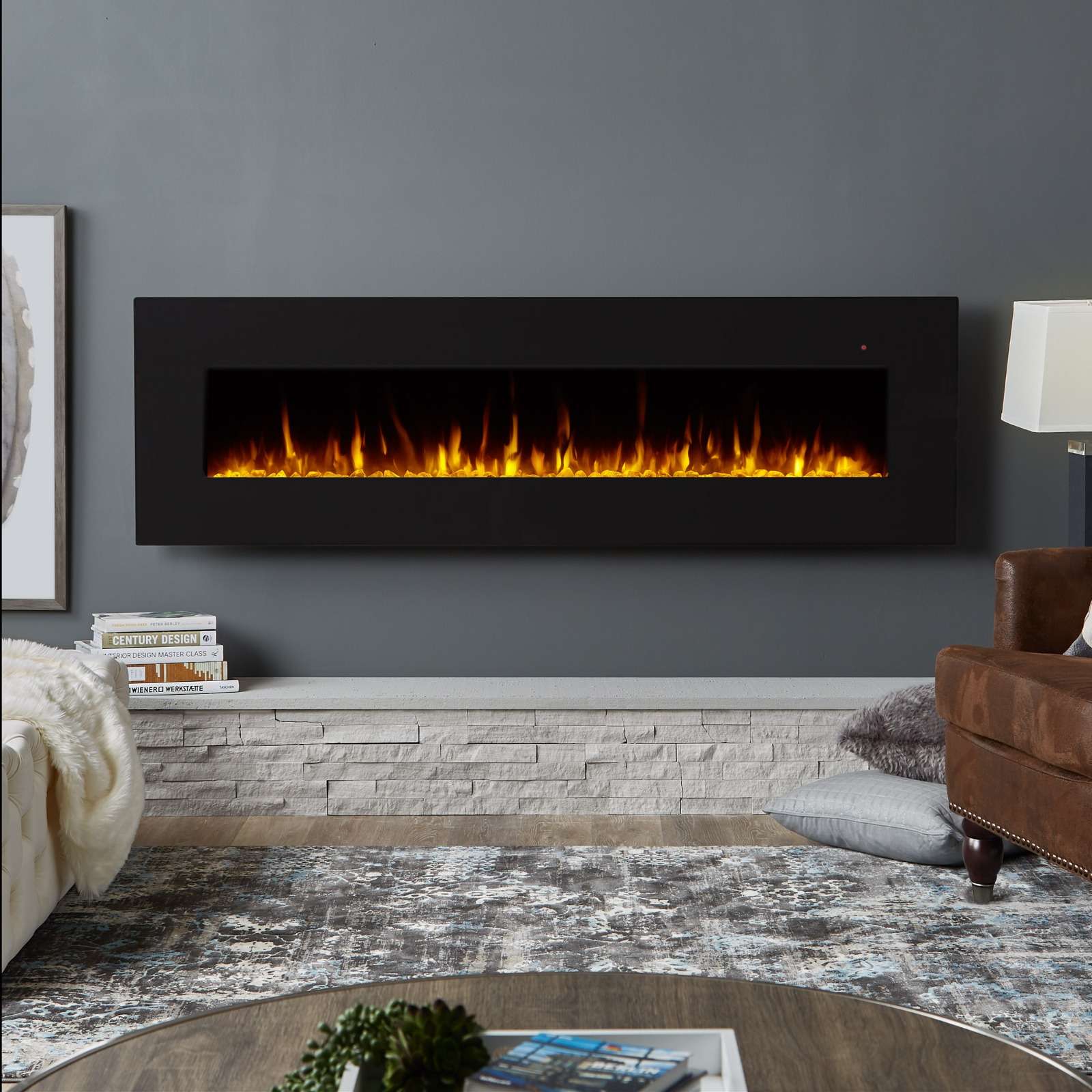
On the other hand, an electric fireplace uses heating coils and LED lights to create a realistic flame effect. It provides gentle, supplemental heat and is known for its high energy efficiency and safety, as there's no combustion.
Understanding these core differences is the first step in deciding between these two popular types of fireplaces.
Key Differences Between Gas and Electric Fireplaces
When you compare these two types of fireplaces, the differences become clear. A gas fireplace is defined by its use of natural gas to create a genuine fire, providing robust heat.
In contrast, an electric model simulates a fire with light, offering cozy supplemental heat with greater ease of use.
The installation process is another major point of difference. Gas units demand a professional to connect a gas line and set up venting. Electric fireplaces, however, are often as simple as plugging them into an outlet. This simplicity extends to their operation and maintenance.
Here’s a quick summary of the main distinctions:
- Heat Source: Gas uses combustion for a real fire, while electric uses heating elements.
- Flame: Gas provides a real flame, whereas electric models create a realistic flame effect.
- Installation: Gas requires a professional and a gas line; electric is typically a DIY-friendly task.
- Venting: Gas fireplaces need venting to the outdoors, but electric fireplaces do not.
Why Fireplace Choice Matters for Ontario Homes
Selecting the right fireplace is crucial for handling Ontario's cold winters and achieving your home's design goals. Your decision impacts everything from your monthly bills to the overall comfort of your home.
If you need to heat a larger room or an open-concept space, a gas fireplace is often the better option due to its powerful heat output.
For those living in condos, apartments, or smaller homes, an electric fireplace might be the perfect fit. It offers effective supplemental heat without the need for major renovations.
Since many units plug into a standard outlet, you can add warmth and style to almost any room without the complexity of a gas line.
Ultimately, the right choice among the different types of fireplaces depends on your primary goal.
Are you looking for a powerful heat source with a real fire, or do you prioritize flexibility, energy efficiency, and simple installation for supplemental warmth?
The Beginner’s Guide to Choosing the Right Fireplace
Feeling overwhelmed by the different types of fireplaces? Don't worry. Finding the ideal fireplace is easier than you think when you break it down into a few simple steps.
The best choice for your home depends on your specific needs, not just what’s popular.
Before you start shopping, it helps to consider your space, budget, and heating goals.
Think about whether you need a primary heat source or supplemental heating and measure the square feet of the room you want to heat. Let's walk through the key factors to consider.
What You’ll Need to Get Started (Space, Budget, Home Type)
Before diving into specific models, take a moment to assess your situation. Your home's unique characteristics will guide you toward the perfect fireplace. Start with the basics: your available space, your budget, and your home type.
For instance, a large, detached house can accommodate a gas fireplace with a higher heat output, which is excellent for warming a large area measured in square feet.
A smaller condo, however, might benefit more from an electric unit that provides targeted supplemental heat without requiring structural changes.
Your budget will also play a significant role, as upfront and long-term costs vary between gas and electric options.
To get started, consider these points:
- Space: How many square feet do you need to heat?
- Budget: What is your total budget for the unit and installation?
- Home Type: Do you live in a house, condo, or apartment?
- Heating Goal: Do you need a primary heat source or supplemental heat?
Step-by-Step Guide to Selecting a Fireplace
Now that you have your basic requirements in mind, you can follow a simple, step-by-step process to select the right type of fireplace.
This approach ensures you cover all your bases, from practical heating needs to your desired aesthetic.
First, you'll want to think about how much heat you truly need. Next, you can compare the unique features of gas and electric models, including their energy efficiency and flame appearance. W
hether you prefer a real flame or a realistic flame that you can customize, there’s an option for you.
Finally, you’ll explore the installation and safety requirements for each. By looking at the complete picture, including ease of installation and long-term maintenance, you can choose a fireplace that you’ll love for years to come.
Step 1: Assess Your Home’s Heating Needs
The first and most important step is to determine your heating needs.
Are you looking for a powerful heat source to warm your entire living area, or do you need supplemental heating for a specific room like a basement or bedroom? Y
our answer will significantly narrow down your options.
Gas fireplaces are known for their high heat output, measured in BTUs, making them ideal for heating spaces over 1,000 square feet.
If your primary goal is to quickly and effectively heat a large, open-concept room, a gas model is likely your best bet.
Electric fireplaces, on the other hand, are perfect for zone heating. They efficiently provide supplemental heating for rooms up to 400 square feet, or even larger with more powerful models.
This allows you to warm the space you're in without raising the thermostat for the whole house, which can help manage your overall energy consumption.
Step 2: Compare Electric vs Gas Fireplace Features
Once you know your heating needs, it's time to compare the features of gas and electric models. Modern fireplaces come with a range of convenient and stylish options that can enhance your user experience.
Gas models are praised for their authentic flames and powerful heat. Many come with a remote control to adjust flame height and heat output. While they are effective, they offer fewer customization options for the flame's appearance compared to their electric counterparts.
Electric fireplaces shine when it comes to technology and customization.
You can often change the flame color, speed, and intensity with the touch of a button. Plus, many electric models allow you to enjoy the flame effect without the heat, providing year-round ambiance with better energy efficiency.
- Flame Control: Gas models offer height adjustment, while electric models provide color, speed, and brightness customization.
- Heat Settings: Both types typically include adjustable heat settings via remote control.
- Ambiance: Electric fireplaces can be used with or without heat for year-round enjoyment.
Step 3: Explore Installation and Safety Requirements
Understanding the installation and safety needs for each fireplace type is essential. The installation of a gas fireplace is a complex job that requires a certified professional.
It involves running a gas line, ensuring proper ventilation to the outside, and making sure all connections are secure to prevent leaks.
Due to the combustion process, safety is a top priority for gas fireplaces. This includes ensuring the venting is clear and installing carbon monoxide detectors nearby. Regular professional maintenance is necessary to ensure safe operation year after year.
In contrast, the installation of an electric fireplace is remarkably simple and often a DIY project. Most units just need to be placed and plugged into a standard electrical outlet. Since there's no combustion, they don't produce emissions or require venting, making them an inherently safe option for any room.
Step 4: Consider Style, Design, and Realism
Your fireplace is a major design element, so its visual appeal is just as important as its function. Think about the style you want to achieve and how the flame itself contributes to the ambiance of a fireplace in your home.
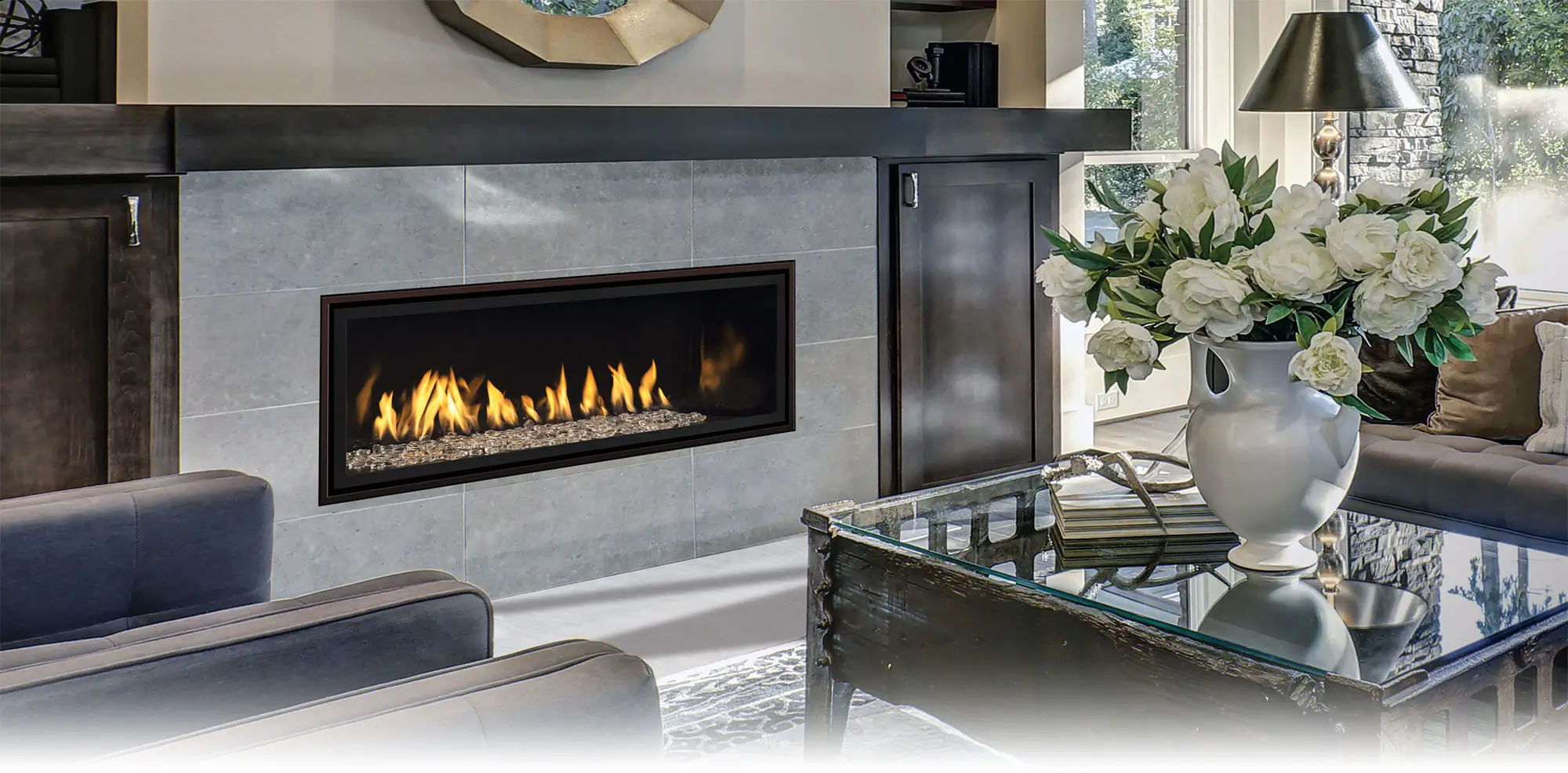
Gas fireplaces are unmatched when it comes to producing a real flame. The organic, dancing flames create a classic and authentic look that many homeowners love. If the authenticity of a real fire is your top priority, a gas model is the clear winner.
However, electric fireplace technology has advanced dramatically. Modern electric models offer a surprisingly realistic flame effect, using LED lights to mimic the look of a genuine fire.
The big advantage here is the wide array of customization options—you can change the flame colors, brightness, and patterns to suit your mood or decor.
- Gas: Offers an authentic, real flame for a traditional feel.
- Electric: Provides a realistic flame effect with extensive customization options.
- Design: Both types are available in modern, linear, and traditional styles to match any decor.
Cost and Efficiency: Electric vs Gas Fireplace in 2026
When planning for a new fireplace, it's important to look beyond the sticker price. The total cost includes the unit, installation, and long-term operational costs. Both energy efficiency and maintenance needs will impact your budget over the lifespan of the fireplace.
Gas fireplaces typically have a higher upfront cost but can be efficient for heating. Electric fireplaces are more affordable to buy and install, have low maintenance needs, and boast excellent energy efficiency for supplemental heating. Let's compare the upfront costs and ongoing expenses you can expect.
Upfront and Long-Term Costs in Ontario
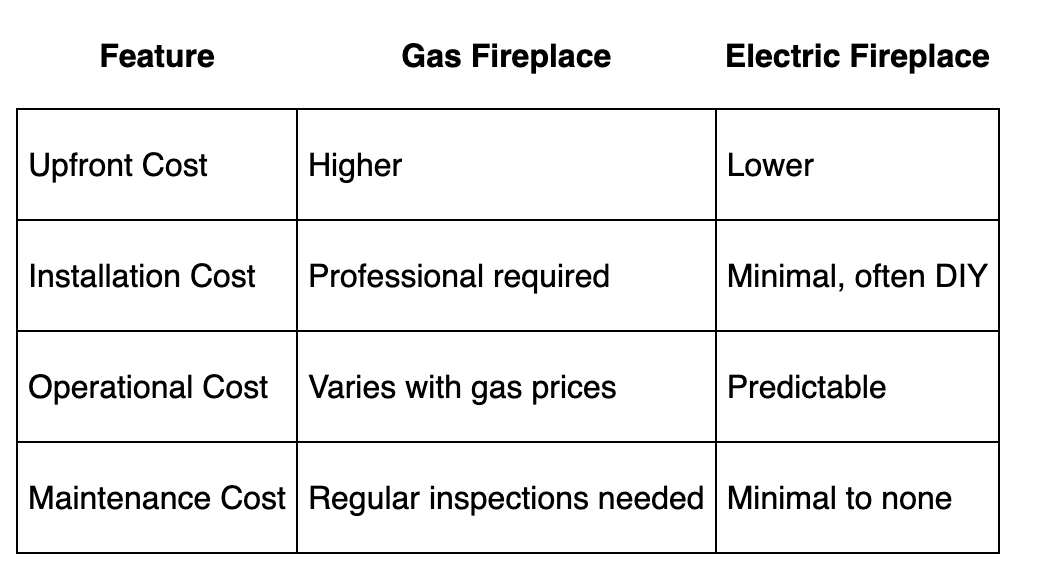
Your total cost of ownership will vary significantly between gas and electric fireplaces. Gas models have a higher initial price tag, and the gas fireplace installation can be expensive since it requires a professional. Electric fireplace units are generally more affordable to purchase and install.
Over the long term, operational costs also differ. Gas prices can fluctuate, affecting your heating bill, and gas units require regular maintenance and annual inspections, adding to the expense. Electric fireplaces have predictable operational costs based on electricity rates and require minimal maintenance, saving you money over time.
For many homeowners, the lower total cost and simplicity of electric units make them a more cost-effective choice, especially if you prioritize affordability and ease.
Energy Efficiency and Operating Expenses
Energy efficiency is a key factor that influences your fireplace's operating expenses.
Modern gas fireplaces are designed to be efficient heat sources, but some heat is always lost through the venting process.
This means not all the energy they consume is converted into usable warmth for your room.
Electric fireplaces, on the other hand, are 100% efficient. Since they don't require venting, no heat is lost to the outdoors.
Every bit of electricity they use is converted directly into warmth, making them an incredibly efficient choice for supplemental heating.
This high energy efficiency helps keep energy consumption and operational costs low.
When you combine their efficiency with their low maintenance requirements, electric fireplaces often prove to be the more cost-effective option to run.
You can warm the room you're in without cranking up your central furnace, leading to significant savings on your overall heating bills.

Maintenance, Safety, and Environmental Impact
Beyond cost and appearance, it's important to consider the ongoing responsibilities and impacts of your fireplace. Regular maintenance is crucial for the safe operation of some models, while others are virtually maintenance-free.
Safety concerns like gas leaks and carbon monoxide are unique to gas fireplaces, while the environmental impact of harmful emissions is another key differentiator. Let's explore the maintenance, safety, and green benefits of each option.
Maintenance Needs for Gas and Electric Fireplaces
The maintenance requirements for gas and electric fireplaces are worlds apart. Gas fireplace inserts and units demand regular maintenance to ensure they function safely and efficiently. This includes an annual inspection by a qualified technician to check the gas lines, burners, and ventilation system.
This yearly check-up is essential to prevent potential hazards and keep your fireplace in peak condition. Forgetting this step can compromise the safety and performance of your unit over time.
On the flip side, electric fireplace units are celebrated for being low maintenance. With no combustion, there are no vents to clean or gas components to inspect. The most you'll ever need to do is occasional light dusting and perhaps changing an LED bulb after many years of use.
- Gas Fireplaces: Require an annual inspection by a professional.
- Electric Fireplaces: Virtually maintenance-free, only requiring occasional dusting.
- Long-Term Effort: Gas requires ongoing attention, while electric is a "set it and forget it" solution.
Safety Considerations and Environmental Benefits
When it comes to safety, both fireplace types are safe when installed and used correctly, but electric models have a clear edge. Because gas fireplaces burn fuel, they produce byproducts. Proper installation and maintenance are critical for safe operation and to prevent the risk of carbon monoxide exposure. It's essential to have working carbon monoxide detectors in your home.
Electric fireplaces pose no such risks. They don't burn fuel, so they don't produce any harmful emissions. This makes them an exceptionally safe option, especially for homes with children and pets. Their low-maintenance nature also reduces the risk of issues arising from neglect.
From an environmental perspective, electric fireplaces are the greener choice. They have a smaller environmental impact because they don't burn fossil fuels or release pollutants into the atmosphere.
- Safety: Electric fireplaces are inherently safer as there is no combustion.
- Emissions: Gas fireplaces produce emissions, while electric ones produce none.
- Environmental Impact: Electric fireplaces are a more eco-friendly heating solution.
Realism and Home Value: Which Fireplace Looks and Performs Better?
A fireplace is more than just a heater; it's a centerpiece that creates ambiance and can even increase your home's value. The visual performance—how the flame looks and feels—is a huge part of its appeal. Homebuyers often see a fireplace as a desirable feature, but does the type matter?
Let's compare the flame effect of electric fireplaces to the real flame of gas models and see how each contributes to the ambiance of a fireplace. We'll also look at how these choices can impact your home value and buyer appeal in the Ontario market.
Visual Appeal Flame Realism and Ambiance
The debate over flame realism often comes down to personal preference. For those who crave authenticity, nothing beats the real flame of a gas fireplace. The spontaneous flicker and deep glow of a genuine fire create a traditional and comforting ambiance that is hard to replicate.
However, modern electric fireplaces have made incredible strides in creating a realistic flame effect. Using advanced LED technology, they can project a lifelike, three-dimensional flame that mimics the movement and depth of a real fire. While purists may still prefer gas, many people are surprised by how convincing electric flames have become.
The true advantage of an electric flame effect is customization. You can change the color, brightness, and speed of the flames to match your mood or decor, offering a level of versatility that a real flame cannot.
- Gas: Provides a genuine, real flame for an authentic look.
- Electric: Offers a highly realistic flame effect with customizable colors and settings.
- Ambiance: Both create a warm and inviting ambiance of a fireplace, but electric offers more control.

Impact on Home Value and Buyer Appeal in Ontario
Can a fireplace increase your home value? Absolutely. Both gas and electric fireplaces are attractive features for potential buyers in Ontario, but they appeal to different priorities. A well-maintained gas fireplace or gas fireplace insert often signals a high-end, permanent heating feature, which can be a strong selling point in larger, family homes.
However, don't underestimate the power of an electric fireplace. They add modern appeal and are one of the most cost-effective ways to boost your home's value. The advantages of electric fireplaces—like low maintenance, energy efficiency, and safety—are highly attractive to a wide range of buyers, especially in condos and townhomes.
Ultimately, any well-integrated fireplace adds buyer appeal. The clean, modern look of many electric models can be just as desirable as the traditional feel of a gas fireplace. It enhances the living space, making your home feel more luxurious and inviting.
Installation Options for New and Existing Homes
The installation process is a major factor in choosing a fireplace, whether for a new build or an existing home. The requirements for gas and electric models are vastly different, impacting both the cost and complexity of your project.
Gas fireplace installation requires professional expertise to handle natural gas lines and venting, while the installation of an electric fireplace is known for its flexibility and ease of installation. Let’s look at what to expect with each process.
Installing a Gas Fireplace: What to Expect
The gas fireplace installation process is a significant undertaking that should always be handled by a licensed professional. If your home doesn't already have natural gas lines running to the desired location, that will be the first major step. A technician will need to safely run new fuel lines.
Next comes the need for proper venting. Gas fireplaces produce exhaust that must be directed outside your home, which may involve cutting through walls or a roof to install a chimney or direct vent system. This can add considerable time and cost to the project, especially in a renovation.
In a new build home, planning for a gas fireplace from the beginning can simplify the process, as the gas line and venting can be integrated into the construction plans. However, it remains a more complex and expensive option compared to electric.
Installing an Electric Fireplace: Flexibility and Ease
When it comes to ease of installation, electric fireplaces are the undisputed champions. The installation of an electric fireplace is so straightforward that it’s often a simple DIY task. There's no need for venting, chimneys, or fuel lines.
Most electric models are designed for easy installation. Wall-mounted units can be hung like a TV, while insert models can slide into an existing fireplace opening. Many freestanding units simply need to be unboxed and placed in the desired spot. All you need is a nearby standard outlet to plug it in.
This flexibility makes electric fireplaces an excellent choice for any type of home, including new builds, apartments, and condos where structural changes are difficult or prohibited.
- Plug-and-Play: Many models require only a standard outlet.
- No Venting: Eliminates the need for costly and complex venting work.
- DIY-Friendly: The easy installation process saves you money on professional fees.
Where to Buy a Fireplace in Ontario
Once you've decided on the type of fireplace, your next step is to find a reputable seller. You can shop online from retailers like Electric Fireplaces Direct or visit a local showroom to see models in person. Each approach has its benefits.
Visiting a physical store allows you to get professional help and see the flames and finishes up close. A specialty showroom, like Ultra Comfort Mississauga, can provide expert guidance and show you a wide range of customization options for both gas and electric models.
Visiting a Showroom vs Shopping Online
Deciding where to buy your fireplace is an important part of the journey. Shopping online from a site like Electric Fireplaces Direct offers convenience and a vast selection. You can browse hundreds of models from the comfort of your home and often find competitive pricing.
However, nothing compares to seeing a fireplace in person. Visiting a showroom allows you to experience the flame effects, feel the heat output, and appreciate the true size and scale of the units. Photos and videos can't always capture the full ambiance.
In a showroom, you can also get immediate professional help. Experts can answer your questions, explain customization options, and guide you to the best model for your specific needs, providing a level of personalized service that is hard to match online.
- Showroom: See flames in person and get expert, hands-on advice.
- Online: Enjoy convenience and a wide selection from retailers.
- Best of Both: Research online, then visit a showroom to make your final decision.
Getting Expert Guidance at Ultra Comfort Mississauga
If you’re in the Mississauga area and looking for expert advice, visiting a specialized retailer is your best bet. At Ultra Comfort Mississauga, you can explore a curated collection of both gas and electric fireplaces side-by-side. This allows you to directly compare the look and feel of each type.
Getting professional help is crucial, especially when navigating options like gas fireplace installation or choosing between different electric flame technologies. The team at Ultra Comfort Mississauga can walk you through the entire process, from selecting the right model to planning the installation.
Unlike browsing online at a large retailer like Electric Fireplaces Direct, a dedicated showroom provides a tailored experience. You can discuss your home's specific layout, your design preferences, and your budget with knowledgeable staff who are committed to helping you find the perfect fireplace solution for your Ontario home.
Conclusion
In conclusion, choosing between a gas and electric fireplace for your Ontario home in 2026 ultimately hinges on your individual needs and preferences.
Gas fireplaces excel in providing warmth and long-term value, making them ideal for larger spaces and those who prioritize heat efficiency.
On the other hand, electric fireplaces offer flexibility and modern aesthetics, perfect for smaller homes or design-conscious buyers.
As you weigh your options, consider factors like installation, maintenance, and how each type enhances your home’s overall appeal.
For personalized advice and to explore your options, get in touch with us at Ultra Comfort Mississauga, where our experts are ready to help you find the perfect fireplace solution.
Frequently Asked Questions
Which Type of Fireplace Heats Large Rooms Best?
For heating a large room, a gas fireplace is the superior choice. Gas models have a much higher heat output (measured in BTUs) than most electric fireplaces. They are designed to be powerful heat sources capable of quickly and effectively warming spaces over 1,000 square feet, whereas electric units excel at supplemental heat.
Are Electric Fireplaces as Safe as Gas Fireplaces?
Electric fireplace units are generally considered safer because they don't involve combustion. There is no risk of gas leaks or carbon monoxide poisoning, and they produce no harmful emissions. While gas models are safe with proper installation and regular maintenance, the risk-free design of electric fireplaces provides extra peace of mind.
Can I Convert My Gas Fireplace to Electric?
Yes, you can convert a gas fireplace to an electric one. This is typically done by using an electric fireplace insert designed to fit inside your existing fireplace opening. While some retrofit options are simple, it's often best to seek professional help to safely cap the gas line before the installation of an electric fireplace unit.
Do Electric Fireplaces Add Value to My Home?
Yes, electric fireplaces can add value to your home. They are a cost-effective upgrade that boosts buyer appeal with their modern aesthetic. The key advantages of electric fireplaces, such as high energy efficiency, safety, and low maintenance, are attractive features that can make your home stand out to potential buyers.



.png)


